Uzbekistan
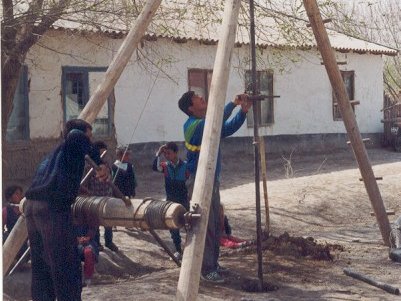
1,000 hand-pump wells, poultry for widows, micro-credit in Muynak, leprosy care, and solar water disinfection.
Uzbekistan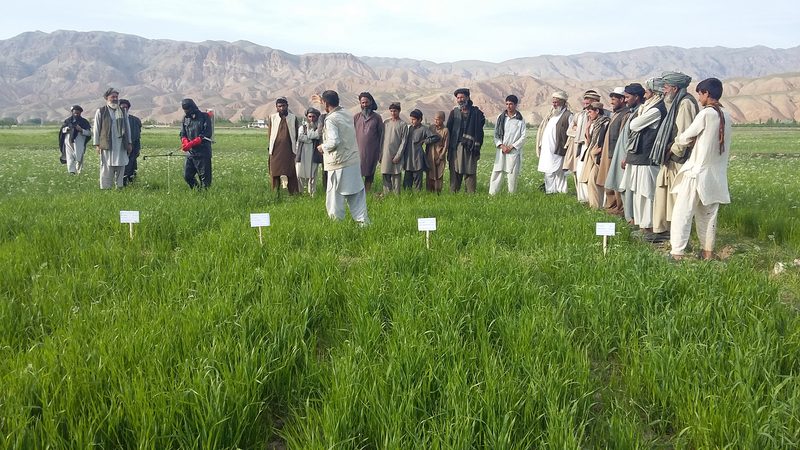
Where We Worked
JDA joined local communities to work on clean water, agriculture, health, livelihoods, education, and emergency relief.
Wheat demonstration plot, April 2016
1,000 hand-pump wells, poultry for widows, micro-credit in Muynak, leprosy care, and solar water disinfection.
Uzbekistan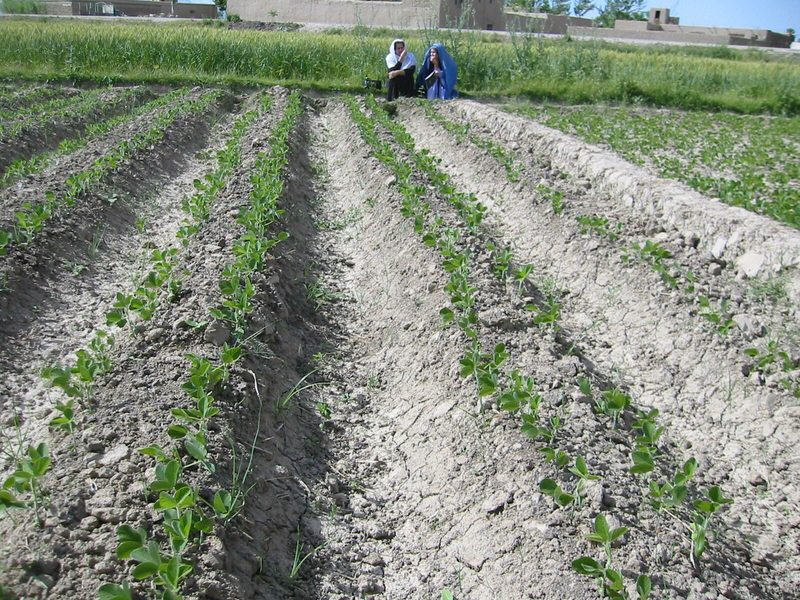
Relief and schools, crop research, two-wheel tractors, RADP-North, and clean water, hygiene and nutrition for families.
Afghanistan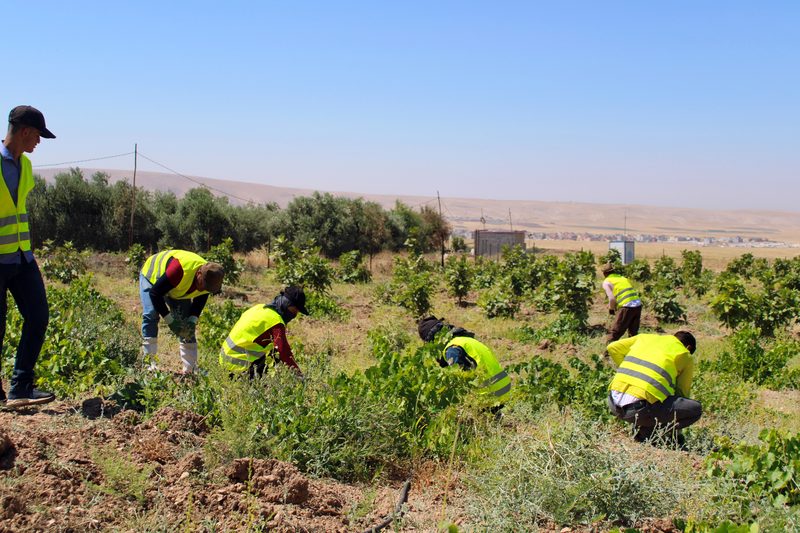
The RIVAL livelihoods program with ZOA: cash-for-work, greenhouses, field crops, and livestock.
Iraqi KurdistanOverview
| Country | Years | Areas | Main programs |
|---|---|---|---|
| Uzbekistan | From 1993; ordered closed in October 2006 | Tashkent, Karakalpakstan (Nukus, Muynak), Shakhrisabz, Kokand and the Ferghana Valley, Samarkand, Jizzak | Hand-pump wells, poultry and micro-credit, leprosy care, SODIS, computer training, humanitarian aid |
| Afghanistan | 2001 to 2019 | Mazar-i-Sharif; Balkh, Samangan, Sar-e Pul, Jawzjan, Faryab and Baghlan provinces; wheat research also in Kunduz and Badakhshan | Relief and food for work, schools and homes, agriculture research, two-wheel tractors, RADP-North, WASH, BLiSS |
| Iraqi Kurdistan | From 2017 | Erbil; Duhok governorate (Sumel district) and Telkaif and Hamdinaya districts in Ninewa | RIVAL livelihoods with ZOA: cash-for-work, greenhouses, field crops, livestock |
| United States | 2021 to 2025 | Grand Junction, Colorado | Evacuation and resettlement of Afghan associates and families (GVRP, ARISE) |
Years for Iraqi Kurdistan and the United States are the years of JDA's own programs there as described in JDA's materials; JDA closed in October 2025.
Sources: JDA WASH location list since 2009, Sawyer filter distribution record, 2008 melon fly training report, and "Agricultural Development in Northern Afghanistan" (2017). Kunduz and Badakhshan: JDA's list of selected agriculture projects (RALF, 2004 to 2008).
In each country JDA worked through local staff, hundreds of them over 32 years, who understood the communities they served. Afghan women educators led hygiene training in homes, local trainers taught farmers in their own fields, and loan officers in Uzbekistan worked with solidarity groups in their own villages. The aim was change that communities would carry on themselves, such as the two-wheel tractor services that farmers in northern Afghanistan went on to buy and run without subsidy.
JDA described its core values as equality, humility, integrity, love and service, professional competence, accountability, and teachability.