Where We Worked · From 2017
Iraqi Kurdistan
Helping families who were displaced by ISIS rebuild their livelihoods through cash-for-work, greenhouses, field crops and livestock.
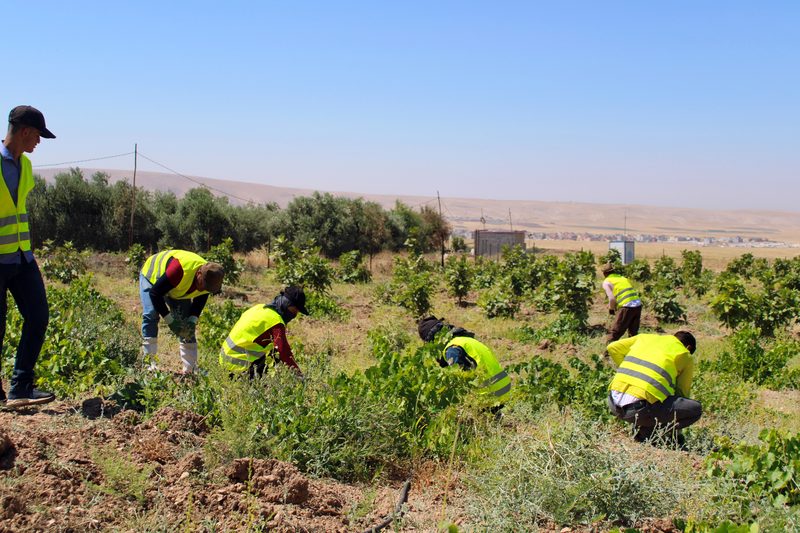
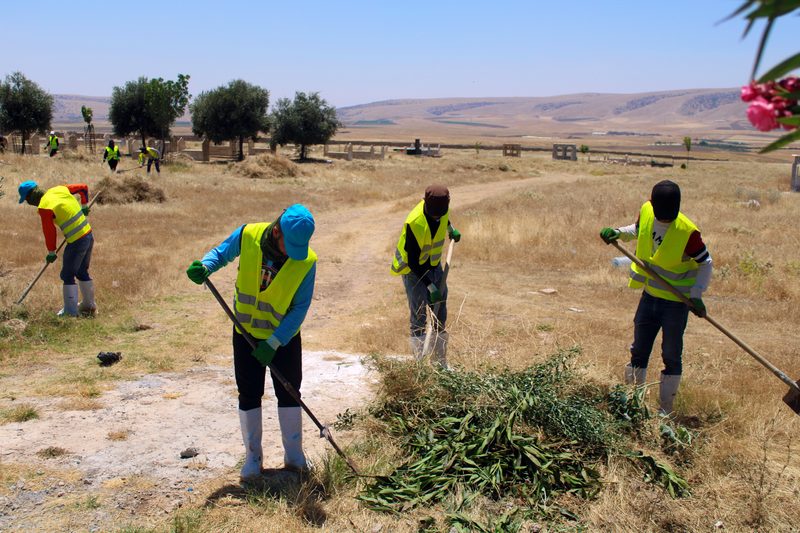
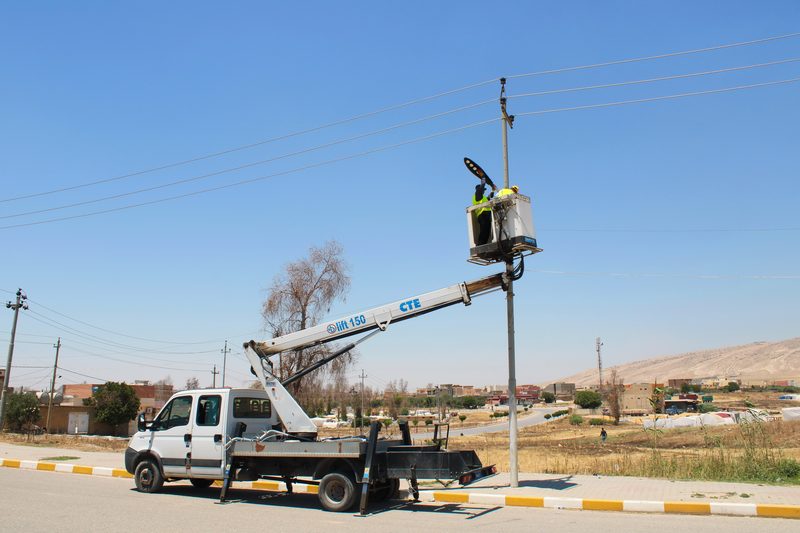
Cash-for-work in Sharya, July 2020
Arriving in Kurdistan
JDA registered in Iraqi Kurdistan in 2017 and opened an office in Erbil. JDA came to support families who had fled to the Kurdistan Region after ISIS swept through northern Iraq in 2014, among them Yazidi and Chaldean Christian families, many of whom were living in camps or could not return home. JDA also worked with the University of Duhok.
Ninewa and Duhok were among the governorates most affected by the conflict. Even when villages were safe again, families who returned faced damaged homes and land and few ways to earn a living.
RIVAL
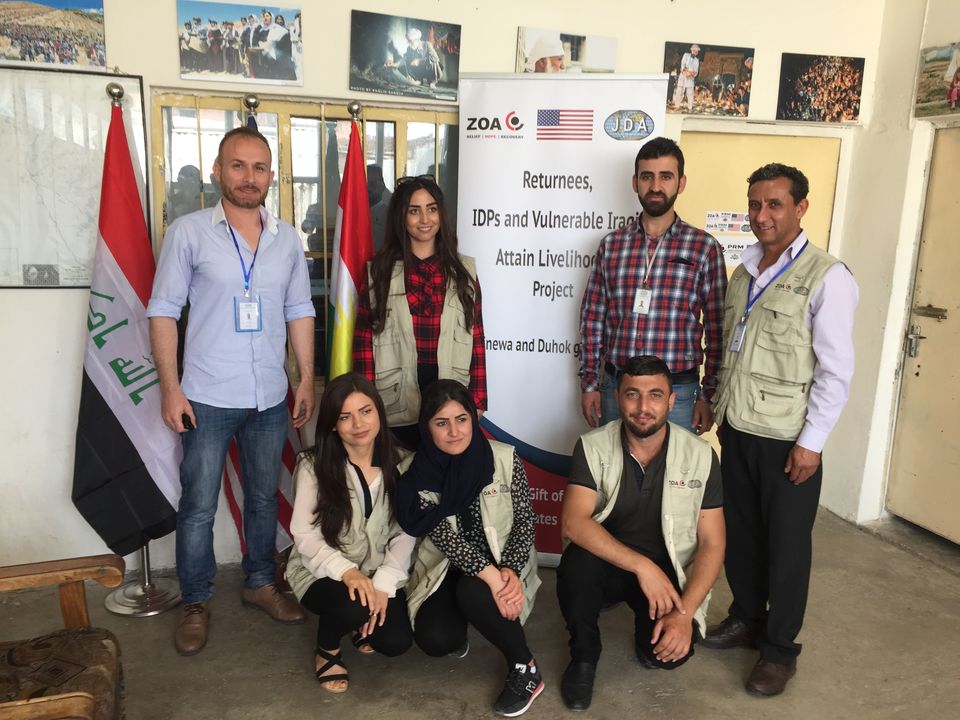
RIVAL (Returnees, IDPs and Vulnerable Iraqis Attain Livelihoods) was a two-year livelihoods program funded by the U.S. State Department's Bureau of Population, Refugees, and Migration (PRM), and carried out by the Dutch organization ZOA and JDA. Because farming is the backbone of life in the target villages, RIVAL focused on rebuilding agriculture. Most of JDA's activities were in Sumel district of Duhok governorate and Telkaif district of Ninewa governorate. The RIVAL 2 program brochure names Hamdinaya and Telkaif districts in Ninewa and Sumel district in Duhok as the program area, and says the work was mainly with displaced Yazidi and Chaldean families.
The program had three goals:
- help displaced families return home for good, through cash-for-work jobs, small business grants and start-up income;
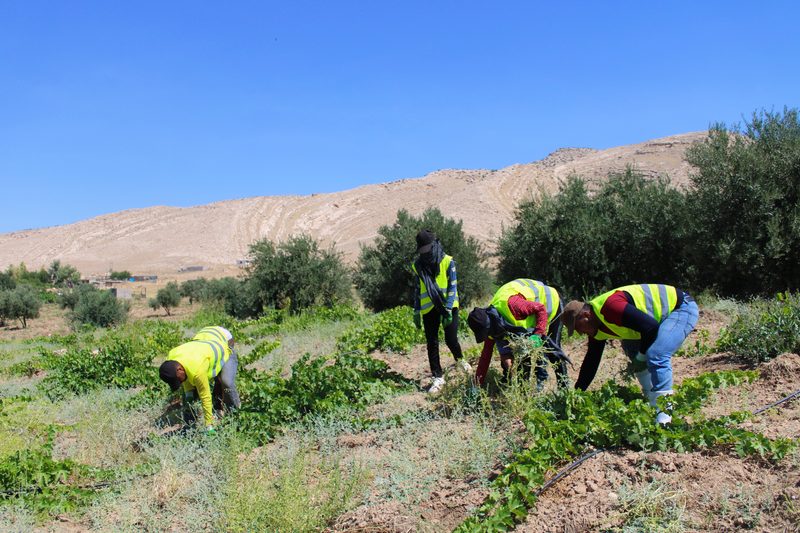
- give displaced people, returnees and small farmers emergency work in agriculture, along with greenhouse and field-crop training and inputs;
- help women and small livestock herders rebuild their flocks, with grants to buy sheep and training in fodder.
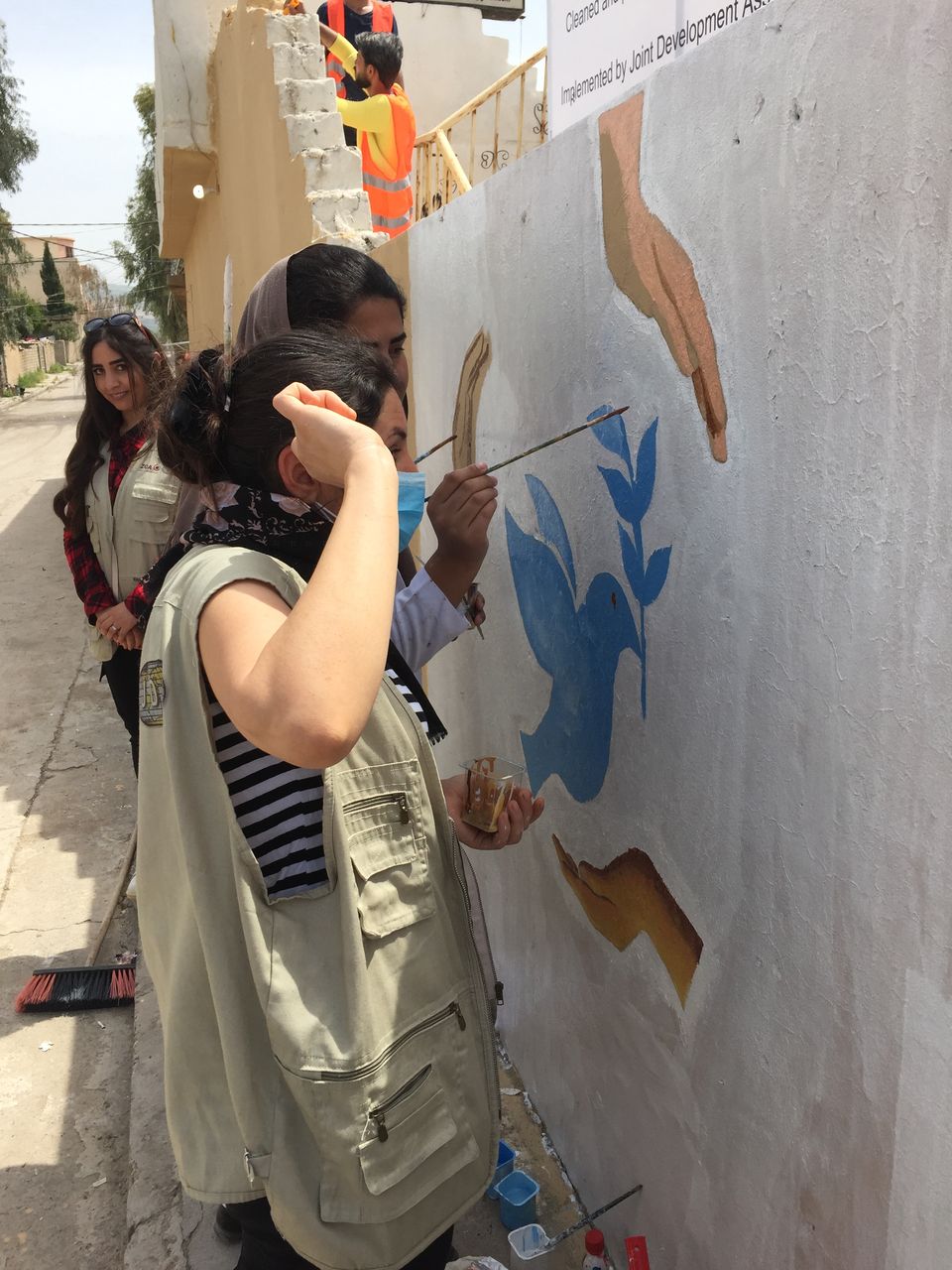
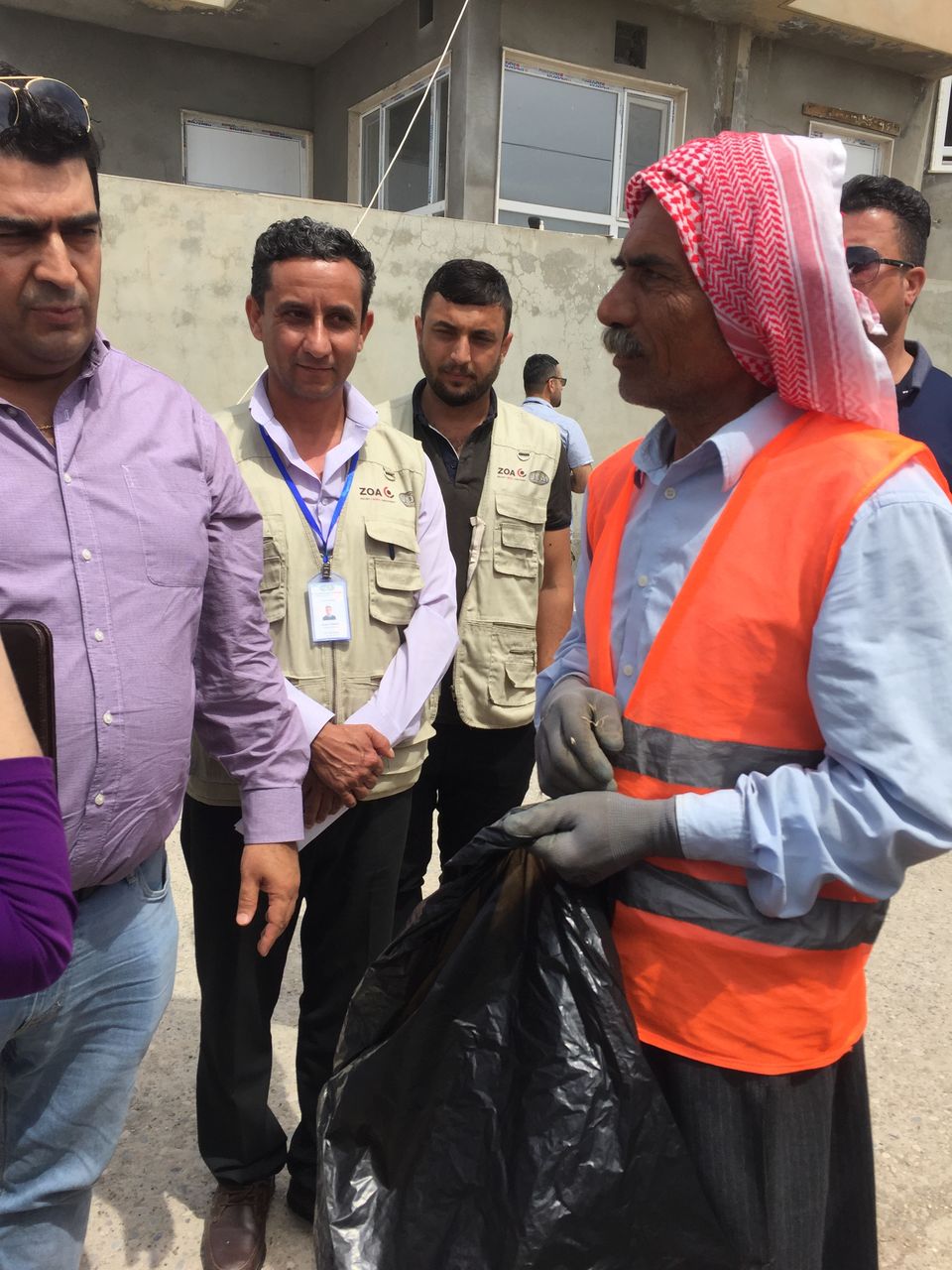
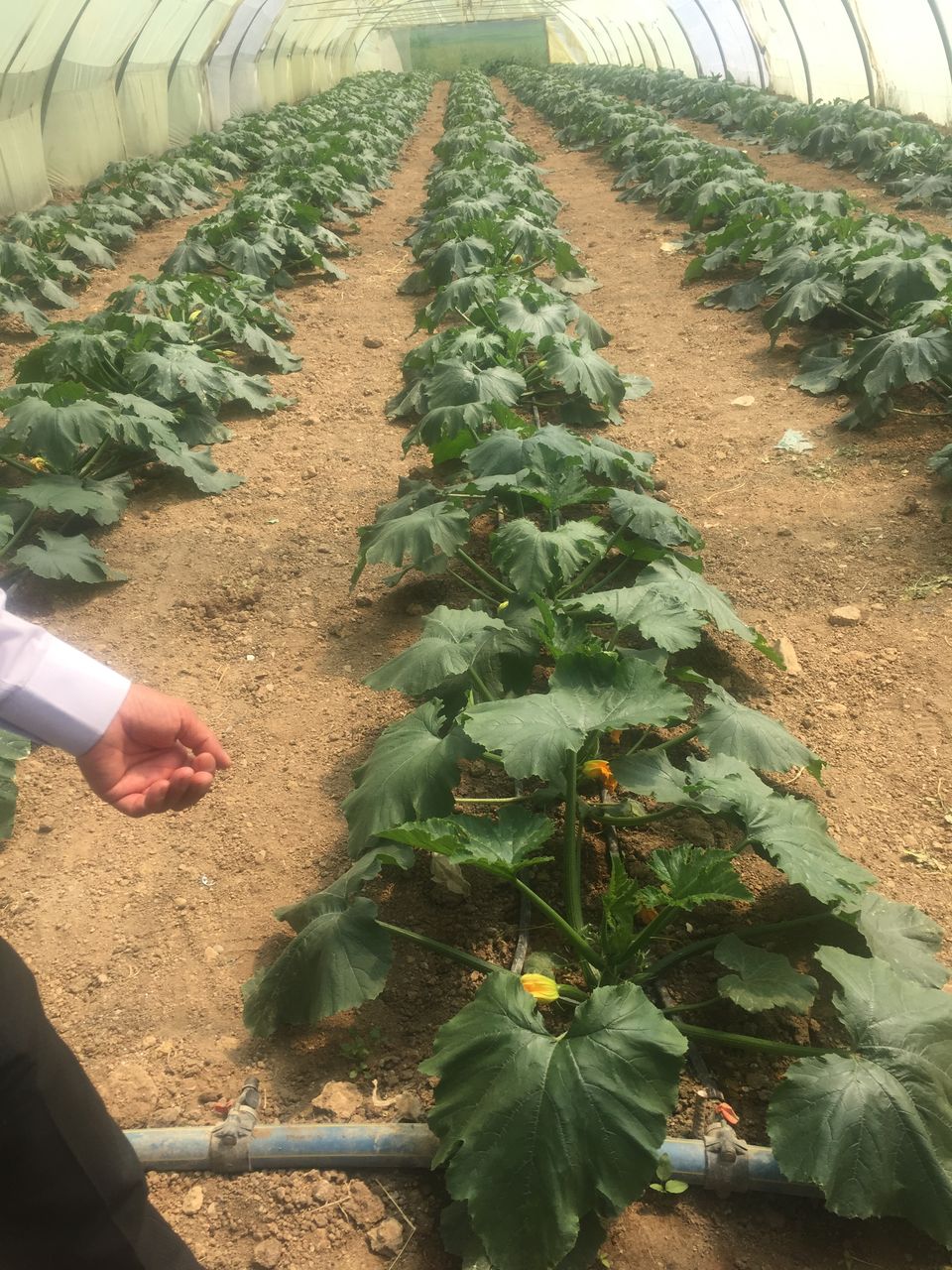
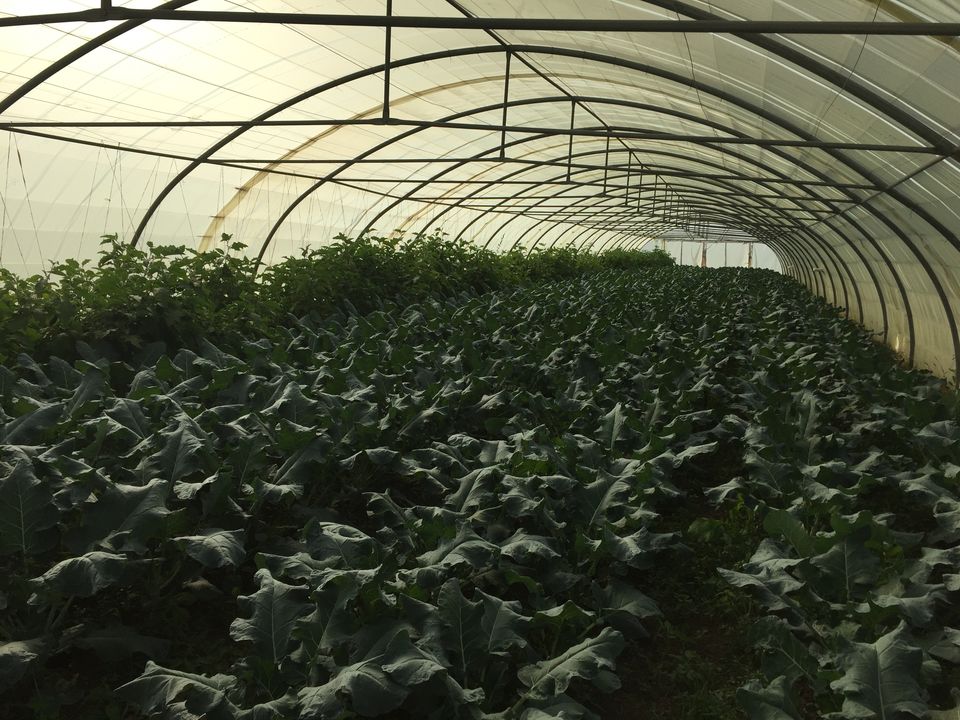
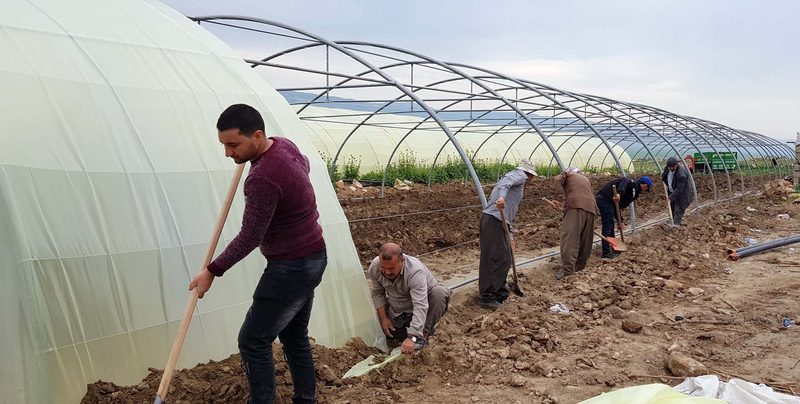
Cash-for-work crews cleaned and renovated public facilities and streets in 14 villages and helped farmers prepare their land for the next season; JDA's timeline also lists cash-for-work in Batnaya. Working with a local agricultural company, JDA trained farmers to restore and run greenhouses.
See all 48 Iraqi Kurdistan photos in the gallery
Results
Year one
JDA's 2019 annual report says the first year of RIVAL served 2,296 people. It provided 790 cash-for-work jobs, ten small business grants and start-up income for 250 people. Workers renovated 1,500 meters of drainage channel in Beban village, and infrastructure was repaired for 281 households. Grants helped 260 people, almost all of them women, buy sheep and lambs, and 150 men were trained in fodder use.
JDA's October 2019 cash-for-work report gives more detail. The 790 jobs went to 140 women and 650 men in 14 villages. Workers cleaned public facilities and streets, removed garbage from town centers, renovated the sewer system in Beban, Bozan and Hatara villages, and renovated two schools. JDA provided the tools, machinery and materials.
Year two, 2020
In 2020 the Kurdish government's COVID-19 curfew forced JDA to pause the work several times, but RIVAL still met its goals for the second year. JDA's 2020 annual report lists 1,828 people served:
- 547 cash-for-work jobs, mostly cleaning Sharya town, installing street lights on the main road, and restoring the Alqosh cemetery;
- 100 COVID-19 cash grants for basic food and supplies;
- 342 people trained in greenhouse growing, and 215 given field-crop inputs and training;
- 300 livestock grants and 239 people trained in fodder management;
- 85 grants for income generation and small businesses.
Over the two years, the 2020 report says, JDA worked with more than 4,000 returnees, displaced people and host community members in Duhok and Ninewa governorates.
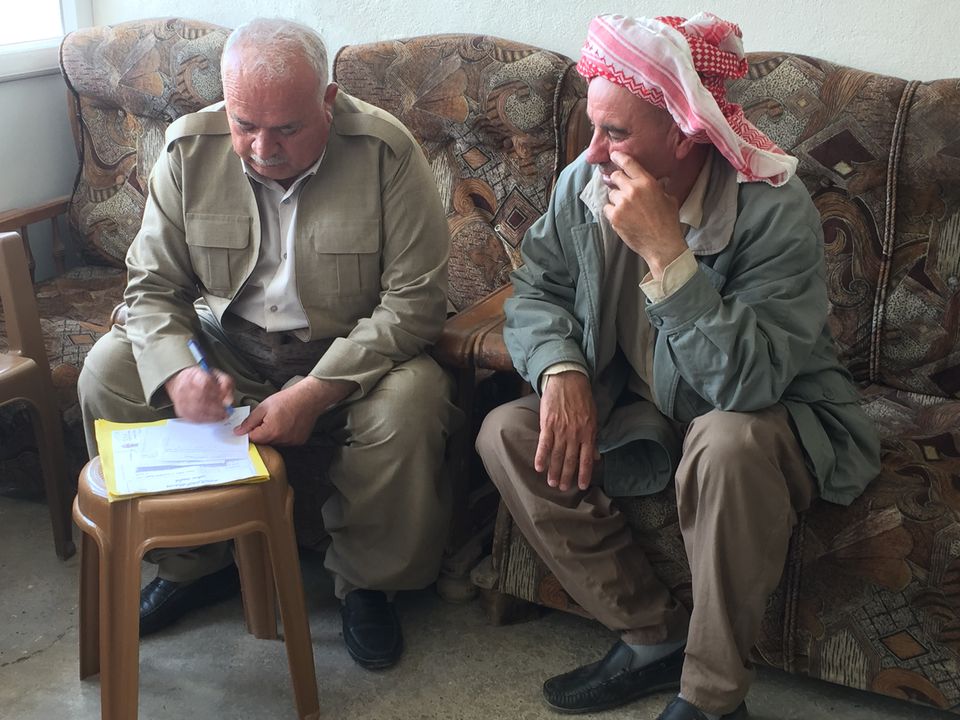
JDA's post-distribution monitoring survey for the second year, which interviewed participants from Sumel and Telkaif districts, found that:
- 94 percent of the women who received livestock had kept them;
- 99 percent of small business and income grant recipients believed their business was sustainable;
- 89 percent of women participants reported a greater say in household decisions;
- every cash-for-work participant surveyed had worked the full 20 days, at eight hours a day.
The program's name is given slightly differently in different JDA documents; this page uses the version on JDA's RIVAL page.
Batnaya and Telskuf
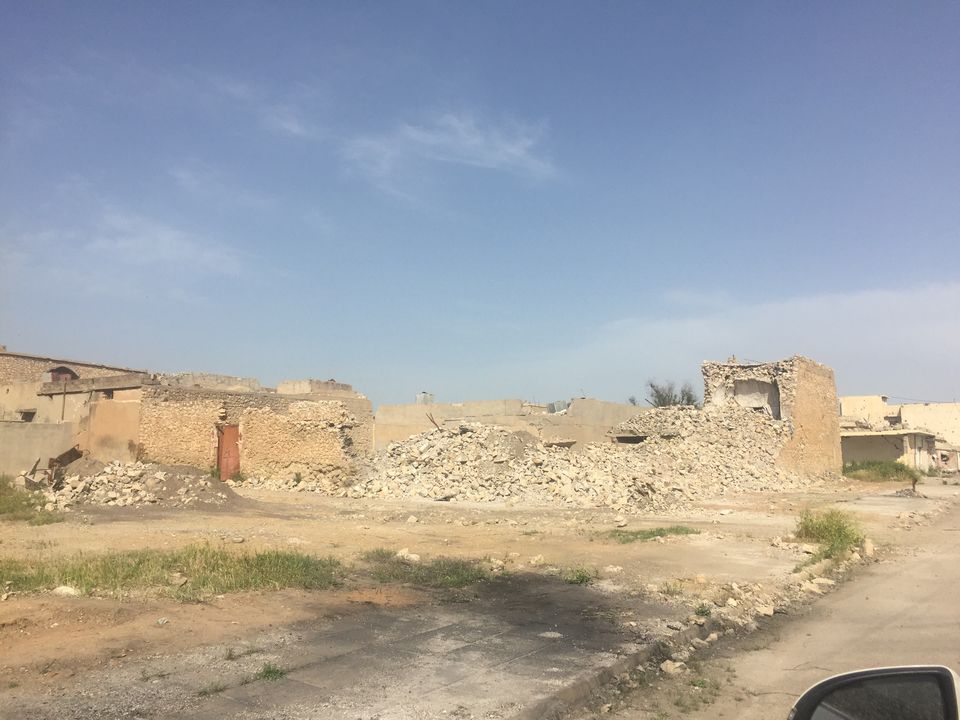
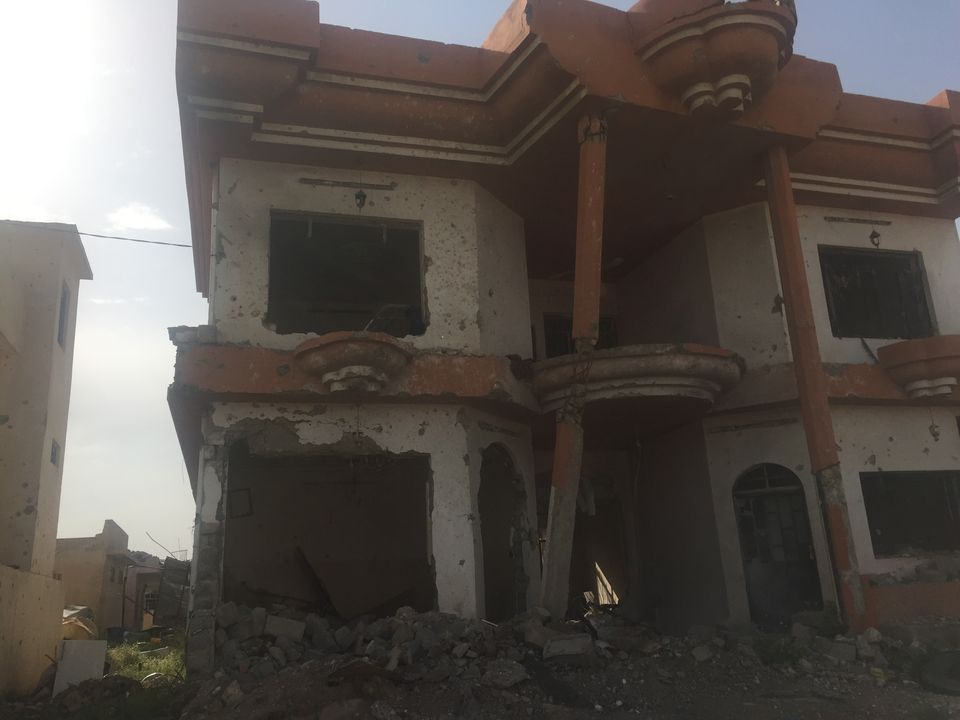
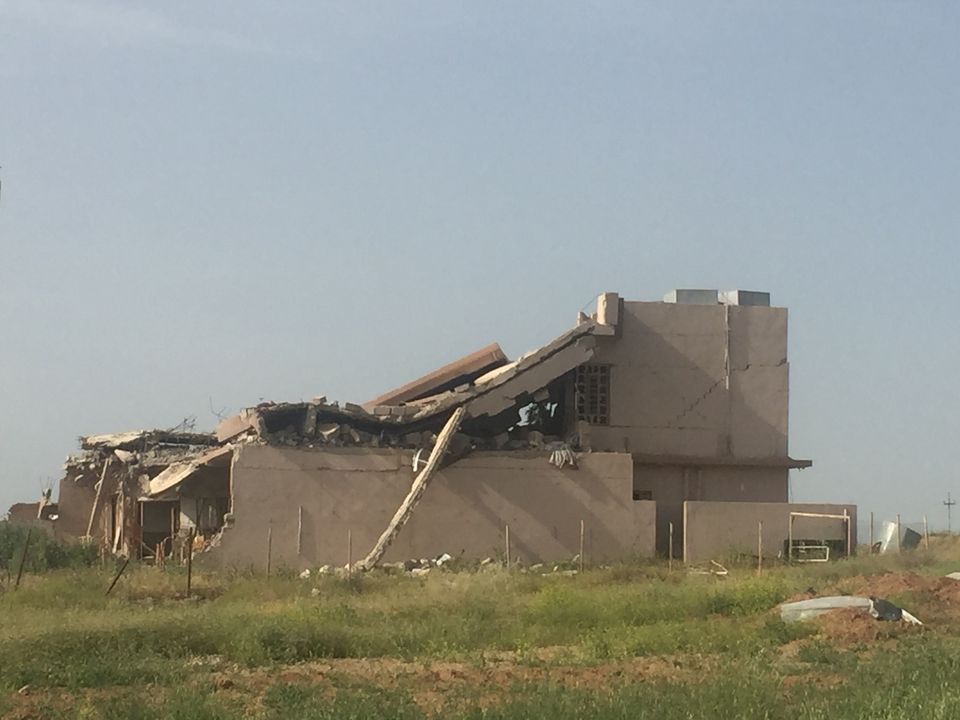
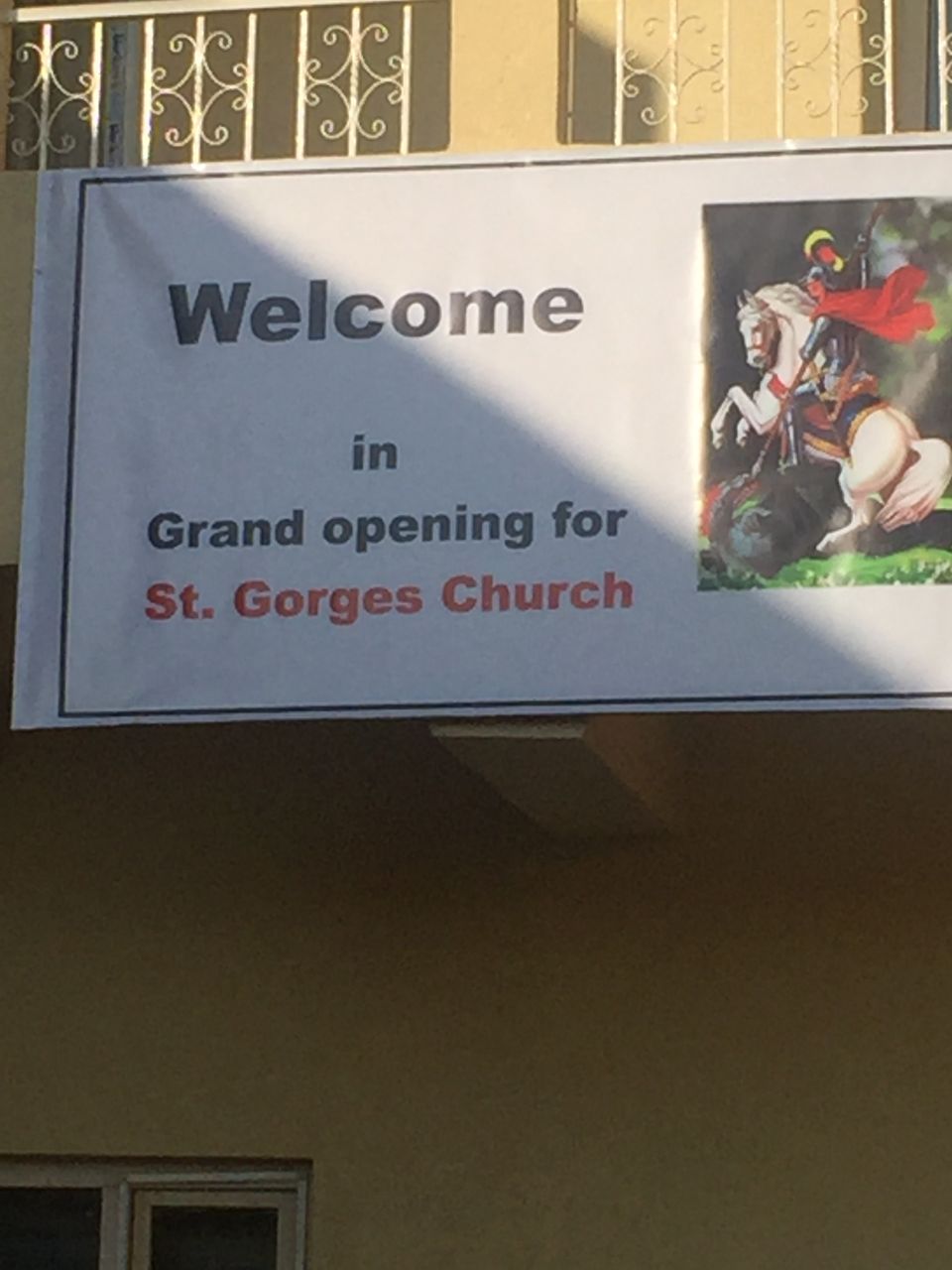
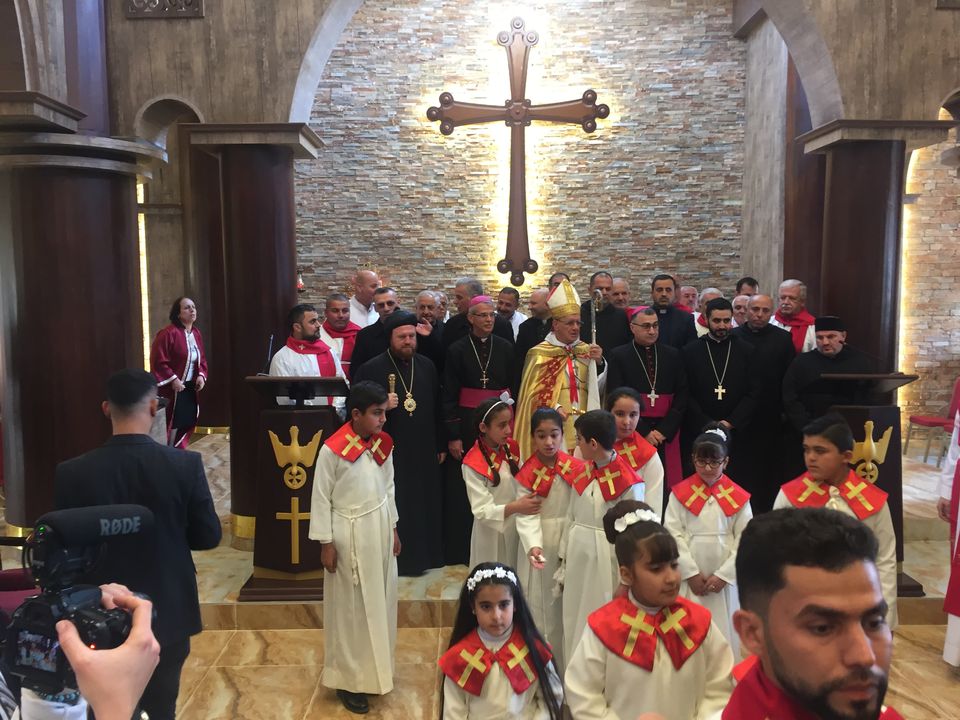
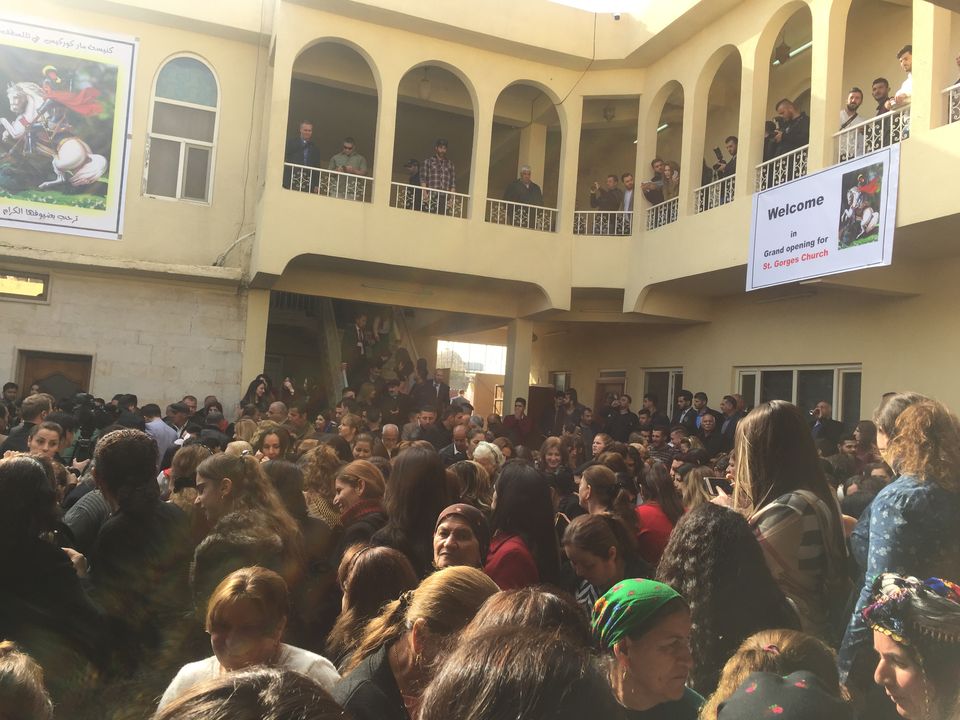
ISIS destroyed homes in the Chaldean village of Batnaya and desecrated its church. In nearby Telskuf, St. George's Chaldean church was damaged, then rebuilt and dedicated in December 2017. Abuna Salar was the priest overseeing Batnaya, Telskuf and Alqosh.
See all 21 Batnaya, Telskuf and church photos in the gallery
Photos
Sources for this page
- JDA annual reports for 2019 and 2020.
- JDA RIVAL and Iraq pages, as archived by the Internet Archive in 2025; JDA timeline (PDF).
- JDA publications: RIVAL cash for work, year one (October 2019), RIVAL 2 program brochure (2020) and the February 2018 newsletter on Iraq, on the Publications page.
- JDA project file: RIVAL year two post-distribution monitoring report (2020).
- Registration year (2017): JDA records.